Dog Food
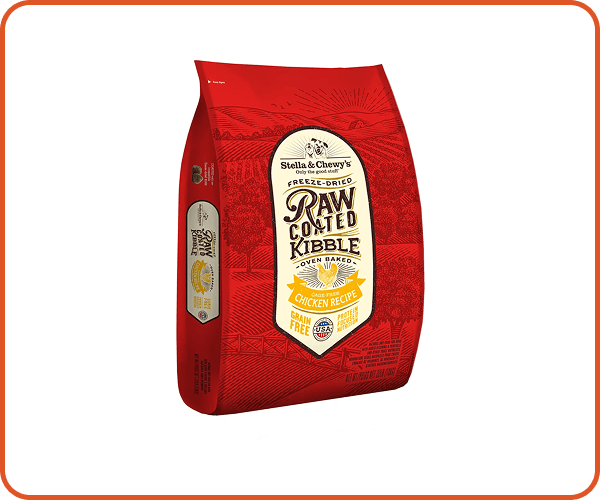
Stella & Chewy's Raw Coated Cage-Free Chicken Recipe Review
Grain-free raw-coated kibble with organ meats, organic produce, and high-dose joint support, priced at a premium.
Read Review →
🐾 Trusted Pet Nutrition Resource
In-depth, unbiased reviews to help you make the smartest choice for your dog or cat.
Our most recent pet food evaluations.
Grain-free raw-coated kibble with organ meats, organic produce, and high-dose joint support, priced at a premium.
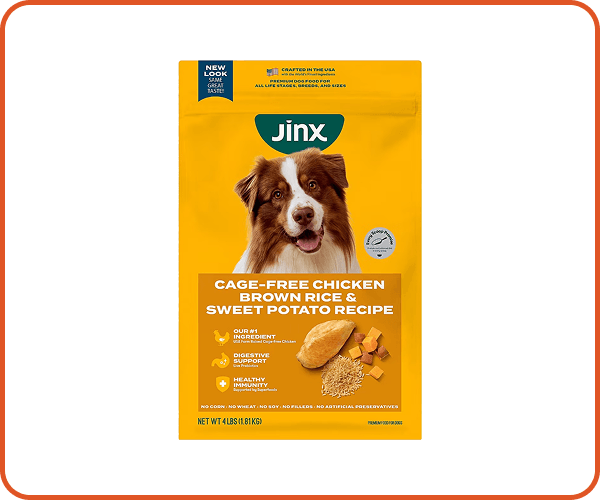
Read Review →Affordable all-life-stages chicken kibble with added probiotics, though DMB protein and carb load are only average.
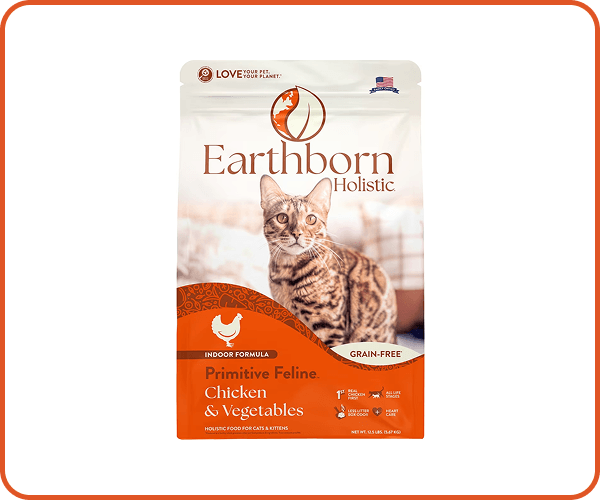
Read Review →High-protein grain-free cat food with three fish proteins, probiotics, and a 2021 Salmonella recall on record.
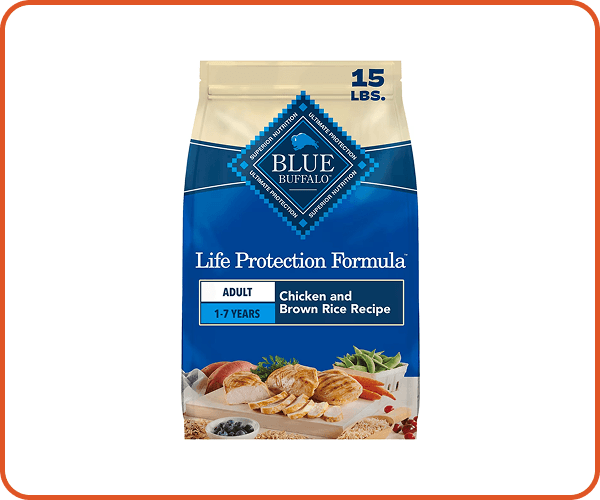
Read Review →No corn, wheat, or soy, priced under $1.40 per 1,000 kcal, but with a recall and labeling history worth knowing.
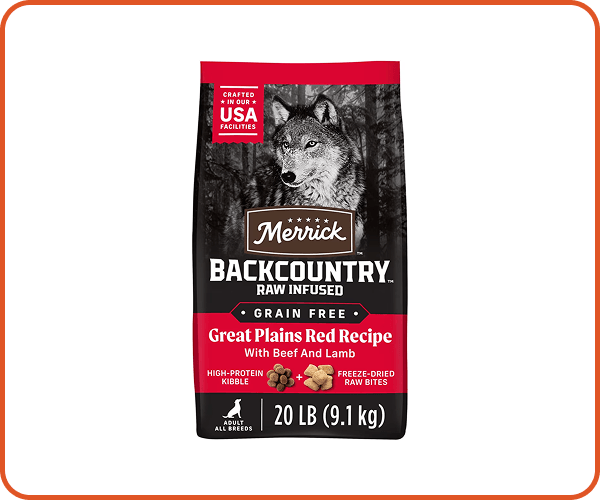
Read Review →Grain-free kibble mixed with freeze-dried raw bites, three named animal proteins, and added taurine for heart health.
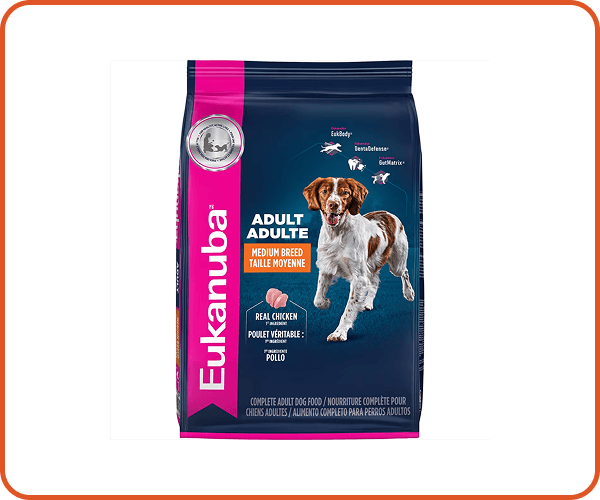
Read Review →A budget-friendly chicken formula for medium breeds, backed by glucosamine, chondroitin, and strong Chewy ratings.
Read Review →
We don't just reprint what's on the bag. Here's our real process.
We read forums, Reddit threads and owner communities — to understand what people actually experience, not what the manufacturer claims.
We read the label line by line. We know what hides behind generic terms and marketing buzzwords.
We check where you can get the best deal on every food we review — quality shouldn't cost more than it has to.
In-depth profiles and reviews for the world's leading pet food brands.


















What your dog or cat eats every single day has a direct impact on their energy, coat, digestion, and long-term health. With hundreds of options on the market — and every brand claiming to be the best — knowing where to start can feel overwhelming. That's exactly why we built this site.
One of the most common mistakes pet owners make is assuming dogs and cats can eat the same food. They can't. Cats are obligate carnivores — their bodies require nutrients like taurine and arachidonic acid that are only found in animal tissue. Dogs, on the other hand, are omnivores and can process a wider variety of ingredients including certain grains and vegetables. Feeding a cat dog food — or vice versa — over time can lead to serious nutritional deficiencies.
There's no single right answer, but here's what matters:
Ingredients are listed by weight, so the first few entries matter most. Look for a named protein source — like chicken, salmon, or beef — as the first ingredient. Be cautious of vague terms like "meat meal" or "animal by-products" without a named species. The fewer fillers and artificial additives, the better.
Some of the most expensive pet foods on the market are heavy on marketing and light on nutrition. Equally, there are affordable options with solid ingredient lists that outperform premium-priced competitors. Every review on this site breaks down the ingredients, the value for money, and the real-world feedback from other pet owners — so you can make an informed decision without the guesswork.
Tips, guides and everything about pet nutrition.
15 heartfelt ways to keep your pet's memory alive — from memorial gardens and custom portraits to keepsakes you'll treas…
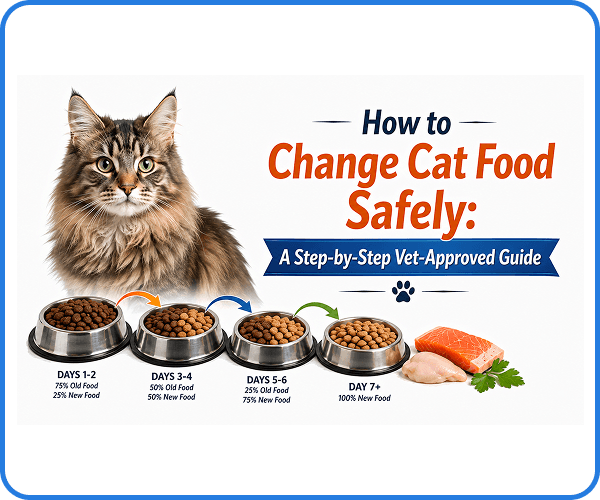
Read Article →A vet-approved step-by-step guide to switching your cat's food without vomiting, diarrhea, or food refusal.
Read Article →Most dogs don't need supplements — but some genuinely do, and knowing the difference can save money and protect health.
Read Article →A vet-backed look at whether rotating your dog's food truly improves health.
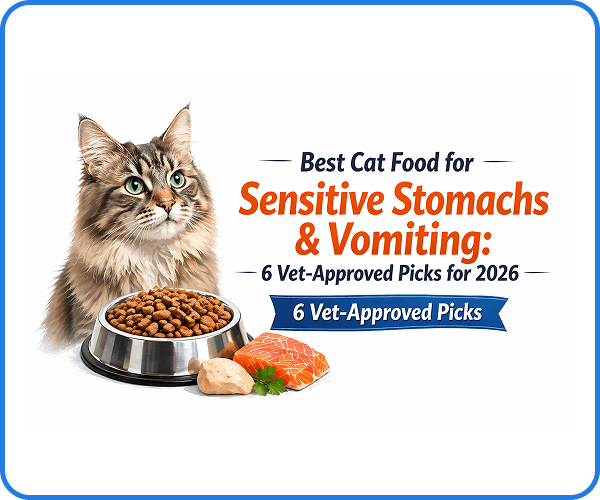
Read Article →A vet-approved guide to the 6 best cat foods that stop vomiting and ease sensitive stomachs.
Read Article →We analyzed dozens of dog food formulas so you don't have to. Here are our top picks for 2026.
Read Article →Everything you need to know about choosing the right pet food.
What is the difference between dog food and cat food?
Cats are obligate carnivores and require specific nutrients like taurine and arachidonic acid found only in animal tissue. Dog food does not contain sufficient levels of these nutrients. Feeding cat food to dogs or vice versa over time can cause serious health issues.
Is dry food or wet food better for my pet?
Both have advantages. Dry food is more affordable and supports dental health, while wet food has higher moisture content which is especially beneficial for cats. Many owners opt for a mix of both to get the best of each.
How do I read a pet food label?
Ingredients are listed by weight — the first few matter most. Look for a named protein source like chicken or salmon as the first ingredient. Avoid vague terms like "meat meal" without a named species, and watch out for excessive fillers and artificial additives.
Does a higher price mean better quality pet food?
Not necessarily. Some expensive brands spend more on marketing than ingredients. There are affordable options with excellent nutritional profiles that outperform premium-priced competitors. Always check the ingredient list regardless of price.
How often should I change my pet's food?
Unless your vet recommends a change, there's no need to switch regularly. If you do switch, do it gradually over 7–10 days by mixing the new food with the old to avoid digestive upset.